Burning Suburbia: How Afrikaans Rock Confronted Faith, Conservatism, and Overconsumption
Written by Adelia Clarke
1 April 2025
With an influx of Afrikaners from all over Southern Africa moving to Cape Town and its surrounding areas, I was reminded of a time period not too long ago where rock music functioned as a means of rebellion against those norms that now attracts thousands of Afrikaners again. Like a fire lit with petrol, the flame is immediate and violent, but it slowly dies down and settles back into its comfortable position that is traditionalism and religious moral foundations. Seeing an Afrikaans band spewing hatred towards their own community and the values that they were brought up in, brought a brand new sense of excitement. Does this mean we are finally making progress? Does this yell in the faces of stern-worded Afrikaner white men? It felt like it. How did a small suburb raise a turbulent and giant rock music scene headed by Afrikaners who grew up in traditional households? How did the words “FOK GOD” get into an email chain headed by Bobby van Jaarsveld’s mother? The story is complex. And it speaks to the complexities of a post-Apartheid South Africa.
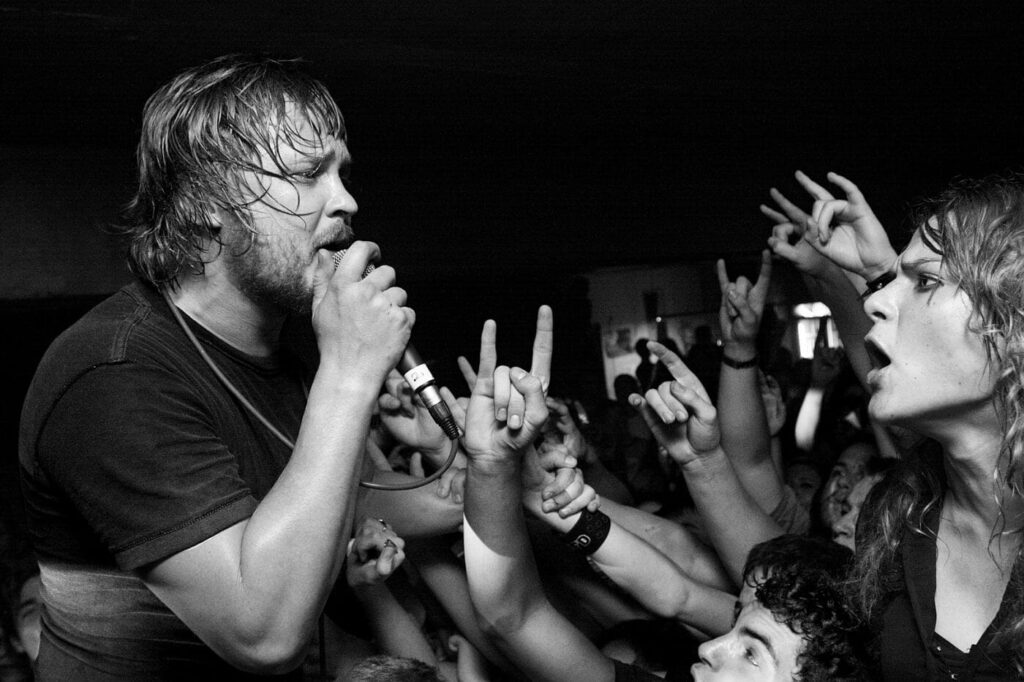
Francois van Coke, Johannesburg, 2008. Image credit: Photo courtesy of Medium
In the mid-2000s, the Cape Town suburb of Bellville unexpectedly became the epicenter of an Afrikaans rock revolution. Often dubbed “Bellville Rock City,” this scene produced a tight-knit group of bands that revitalised Afrikaans youth music culture. Bands like Fokofpolisiekar, Van Coke Kartel, aKING, Foto Na Dans, and Die Heuwels Fantasties (among others) emerged from this middle-class, traditionally conservative area. Singing primarily in Afrikaans, these artists injected punk and alternative rock energy into a language previously known in music for either somber folk protest or syrupy pop. Their rise made Afrikaans music “cool” again, filtering it into the mainstream youth culture. Crucially, in 2003 Fokofpolisiekar’s breakout song “Hemel op die Platteland” (“Heaven in the Countryside”) became the first Afrikaans track ever playlisted on 5FM, South Africa’s national rock radio station. This marked a watershed moment – Afrikaans rock had stormed into spaces long dominated by English music, signaling a new era of crossover appeal and cultural impact. The Bellville scene’s popularity was such that by 2008 it earned a commemorative CD/DVD package “Bellville Rock City” (with a documentary 12 Mile Stone) celebrating its story. What began as a local subculture quickly grew into a movement, giving Afrikaner youth a fresh voice and identity in post-apartheid South Africa.
The Bellville rockers were notorious for rebelling against the conservative, Christian Afrikaner establishment in which many of them were raised. Fokofpolisiekar (literally “Fuck-off Police Car”) set the tone with a confrontational name and lyrics that aggressively questioned religious dogma and traditional values. The band’s members – some of whom grew up as devout churchgoers or even preacher’s kids – used their music to exorcise the demons of a strict Calvinist upbringing. Early songs like “Hemel op die Platteland” drip with satirical venom, pairing images of idyllic white suburban life (braais, church steeples, children by swimming pools) with lines rejecting imposed morality: “Kan iemand dalk ’n god bel en vir hom sê ons het hom nie meer nodig nie” – “Can someone call a god and tell him we don’t need him anymore”. Such lyrics and the band’s outrageous antics (like a member scrawling “Fok God” as an autograph) horrified older Afrikaners. In 2005, that incident sparked a media frenzy and public outcry, with Fokofpolisiekar denounced from church pulpits as Satanists corrupting the youth. Yet the controversy only amplified the band’s notoriety and appeal among young fans. As one Afrikaans commentator noted, Fokofpolisiekar embodied an “intelligent rebellion from traditional bases” – they were not rebelling for chaos’ sake, but to force Afrikaners to confront uncomfortable questions of faith, identity, and hypocrisy. Indeed, the band often employed religious imagery and language ironically (for example, printing their lyric booklet in the style of an NG Kerk youth hymn book to subvert the very traditions they came from. This honest grappling with Afrikaner religiosity struck a chord with a post-apartheid generation questioning what it means to be Afrikaans when church and political power no longer define it.
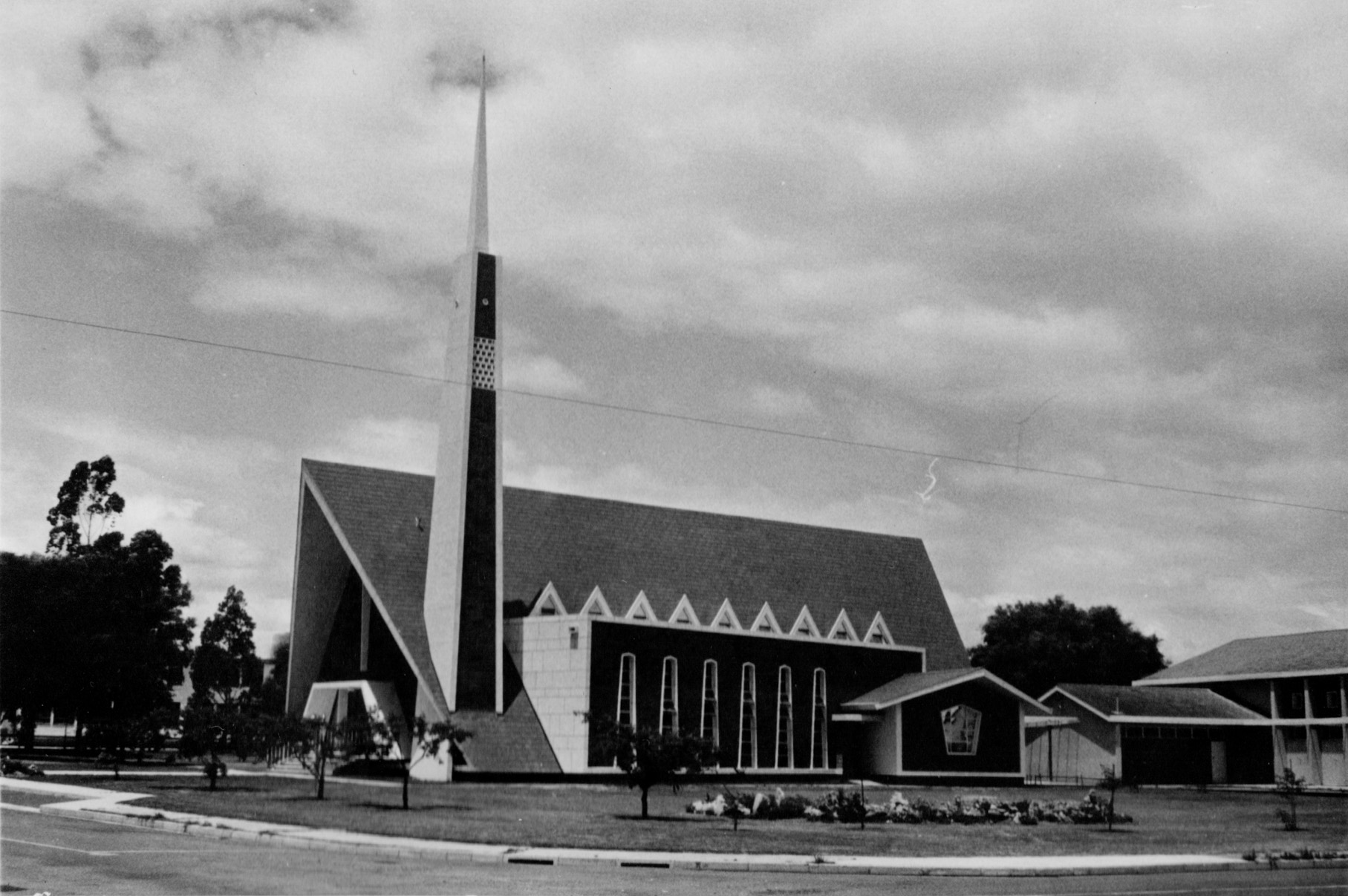
NG Gemeente Bellville-Oos. Image credit: Photo courtesy of NG Gemeente Bellville-Oos
Cover of Fokofpolisiekar’s debut EP “As Jy Met Vuur Speel Sal Jy Brand” (2003). The title, meaning “If you play with fire you will get burned,” proved apt as the band’s fiery challenge to Afrikaner orthodoxy sparked public controversy. The Afrikaans rockers also took aim at broader cultural conservatism and nationalism. They were heirs to the late-’80s Voëlvry movement (which first introduced Afrikaans protest rock), but whereas Voëlvry’s targets were apartheid and political censorship, the 2000s Bellville bands fought against the psychological hangovers of that era – parochialism, racism, cultural stagnation. Fokofpolisiekar and peers sang about the claustrophobia of “small beige palaces” in white suburbs and the “tradisiemasjien” (tradition machine) that produced complacent, church-going clones. In tracks like “Reguit Teenoor Die Spieël” and “Brand Suid-Afrika”, they satirised Afrikaner nostalgia and blind patriotism. The music video for “Brand Suid-Afrika” (“Burn South Africa”, 2006) is especially telling: it depicts the band performing in a laager of cars at a caravan park, surrounded by caricatures of Afrikanerdom (a bickering nuclear family with their maid, two boerewors–eating farmers who end up kissing, cheerleader trompoppies). At one point, lead singer Francois van Coke parodies a fascist politician, addressing a press conference behind a forest of microphones. By piling on these familiar Afrikaner symbols – then literally “burning” them in punk rock fury – the band delivered a cathartic rejection of the old order. The lyrics underscored this, advocating a kind of purification through destruction: “Vernietig jouself” (“Destroy yourself”) and “Brand Suid-Afrika” were rallying cries to break down and reinvent identity. Despite their outrage, the Bellville bands weren’t nihilists; embedded in the aggression was a search for truth and meaning beyond the strict confines of religion and conservatism. In openly wrestling with issues of Afrikaner heritage, language, and belief, they dragged these debates into the public sphere. Afrikaans alt-rock became, as scholar Andries Bezuidenhout quipped, “from Voëlvry to Fokofpolisiekar” – a new wave of Afrikaner rebellion for a new South Africa.
Consumerism and Mainstream Tension
Interestingly, even as they raged against societal norms, the Bellville rockers skillfully navigated the realities of consumer culture and the music industry. Bands like Fokofpolisiekar displayed an “exceptional knowledge of marketing” in building their brand. They cultivated a devoted fanbase through edgy merchandise (T-shirts emblazoned with provocative slogans), constant gigging, and savvy use of media. Their notoriety – amplified by press coverage of their on- and off-stage antics – became a selling point in itself. Early on, the media hailed Fokofpolisiekar as the saviors of a stale music scene, positioning them as “the future of Afrikaans music” amid a landscape of “derivative, plastic sounds”. This hype helped propel them from underground clubs to major festivals in a short time. By 2006, Afrikaans rock was drawing large crowds and corporate interest, with Bellville bands featured on MK (a popular alternative music TV channel) and playing big stages like Oppikoppi and Rocking The Daisies. The embrace of Afrikaans rock by mainstream outlets was a double-edged sword: on one hand, it gave these artists unprecedented exposure and commercial viability (for instance, Fokof’s Lugsteuring album topped charts, and aKING’s songs got radio rotation). On the other, it introduced questions of “selling out” and the dilution of their countercultural message. The scene’s ethos was born of anti-establishment spirit, yet the mechanisms of consumerism – from album sales to sponsorships – inevitably became part of its story. Bands often walked a tightrope between authentic rebellion and commodification. Fokofpolisiekar themselves would later lampoon this by launching a craft beer line (“Fokof Lager”), effectively turning their anti-authority name into a consumable product. Back in the 2000s, however, they managed to ride this balance shrewdly: their music videos and imagery co-opted consumerist icons only to subvert them, and their growing popularity didn’t immediately blunt their message. If anything, reaching a wider audience amplified the impact of their critiques. By making Afrikaner teens and students want to buy into a band that shouted “stick your idea of normal up your ass”, the Bellville scene created a fascinating paradox – a counterculture movement thriving within (and sometimes against) a consumer culture.
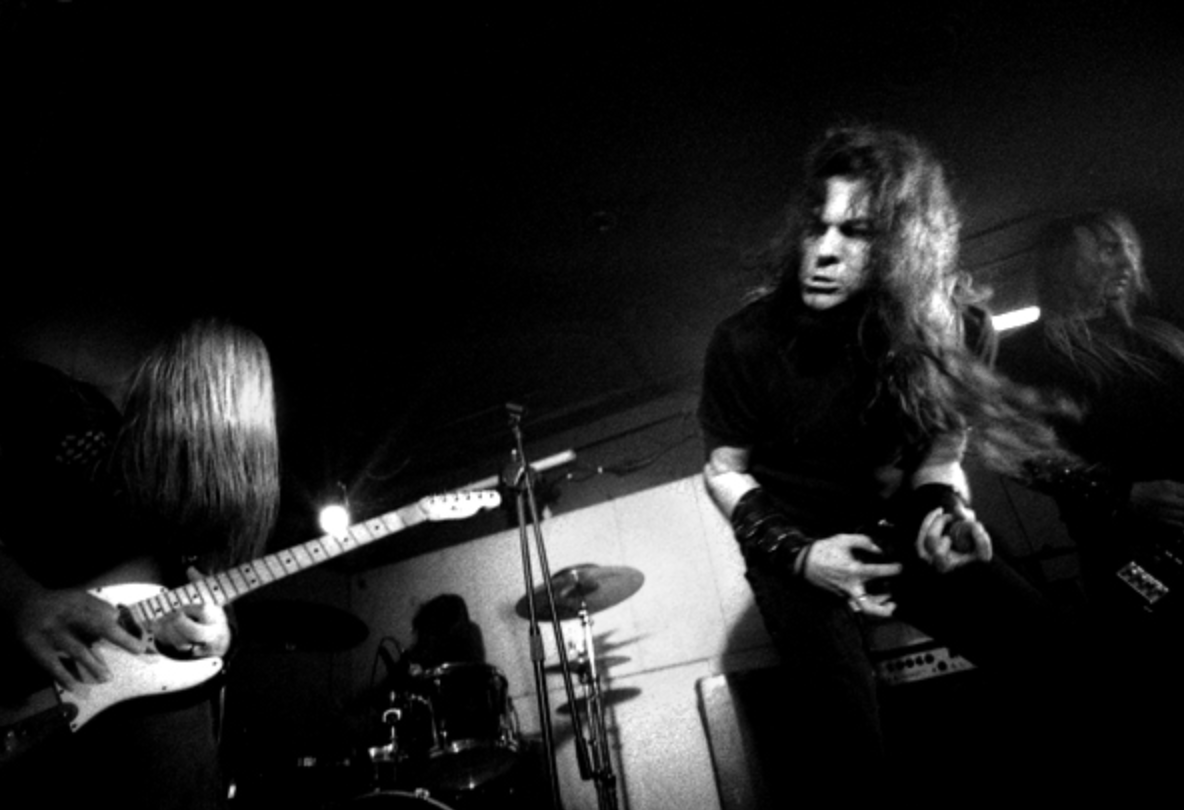
KOBUS! Live performance, 2008. Shot by Stiaan Wes
Rebellion, Drugs, and Internal Struggles
The Bellville rock scene’s darker undercurrents were in many ways typical of rock ’n’ roll worldwide – heavy partying, substance use, and the emotional turmoil of young rebels in the limelight. These bands lived fast and loud. Raucous shows often descended into beer-fueled brawls; fistfights were not uncommon at gigs, especially with aggressive audience members in smaller towns. As frontman Francois van Coke later admitted, “we’ve been on the road and fing drunk… hanging out with Afrikaans people that want to f us up. We’ve been f***ed up”. The rock’n’roll excess – binge drinking, late-night mischief – initially served to reinforce their outlaw image (they half-jokingly embraced being seen as “rock ’n roll hooligans” by tabloids. But it also took a personal toll. Band members grappled with internal conflicts and burnout after years of relentless provocation and touring. By 2007, Fokofpolisiekar went on hiatus amid reported strain among members; side projects (like the more radio-friendly Van Coke Kartel and the English-language aKING) emerged, partly as creative outlets and breathing space. In lyrics and interviews, one sees hints of mental and spiritual struggle beneath the bravado. Songs like “Brand Suid-Afrika” and “Komma” vent anger at society, but also reflect inward pain and disillusionment (themes of emptiness, apathy, self-destruction). The band’s mantra “destroy yourself” could be read as both a rallying cry against complacency and a note of self-directed despair. Some members fought to reconcile their rebellious public persona with personal beliefs – for example, guitarist Hunter Kennedy, who wrote Fokof’s lyrics, imbued them with his own existential questions and doubts after abandoning his strict Christian faith. Drug use in this scene, while less publicised than the alcohol, was present in the milieu – marijuana and LSD get name-checked among the band’s early influences, and the broader alternative crowd in Cape Town was no stranger to harder substances. By the early 2010s, several musicians openly discussed cleaning up: Francois van Coke noted periods of sobriety to regain control of his life. These internal battles – with addiction, identity, and creative direction – added a bittersweet edge to the music. They remind us that behind the fiery slogans and power-chords were real young people wrestling with demons. The authenticity of those struggles further endeared them to fans. Far from derailing the movement, the turbulence seemed to fuel the mythos of Bellville rock – a new generation of Afrikaner artists “born out of ferocious anger, biting the hand that fed them”, yet at times nearly consumed by the flames they lit.
Cross-Pollination with the Electronic Underground
Interestingly, the mid-2000s Afrikaans rock explosion did not exist in isolation – it intertwined with South Africa’s broader alternative and electronic music scenes, yielding common themes and notable collaborations. A key figure here is Jack Parow (Zander Tyler), an Afrikaans rapper from Bellville who bridged the rock and electronic worlds. Parow came up as a “zef” rap personality just as the Bellville bands were peaking, and he frequently worked with them. In fact, he collaborated with punk outfit Fokofpolisiekar on the rowdy party anthem “Doos Dronk” and toured alongside rock bands at festivals. Parow also teamed up with Die Heuwels Fantasties – an electronic-infused Afrikaans pop band formed by members of Fokofpolisiekar – on the hit song “Die Vraagstuk.” These crossovers signaled a shared ethos among Afrikaans alternative artists regardless of genre. Both the rockers and the emerging electro-rap acts (like Die Antwoord, the notorious Cape Town “rap-rave” group) were fundamentally anti-establishment, satirical, and identity-bending. They drew from the same well of discontent with the status quo. As one observer put it, there was a “sudden explosion of creativity and originality in Afrikaans popular culture” in the 2000s – a reaction to being “fed up” with imitating overseas trends and the constraints of the past. This creative ferment yielded both raging punk rock and outrageous electronic rap, all tapped into the na-dors (hungover) angst of a generation coming to terms with a new South Africa. The ideological overlaps were striking: whether it was Francois van Coke screaming about hypocrisy or Die Antwoord’s Ninja provocatively flaunting lower-class “zef” style, both challenged polite society’s expectations of Afrikaners. Both scenes reveled in shock value, dark humor, and the reclaiming of Afrikaans slang and identity on their own terms. It’s no surprise, then, that a loose “alternative Afrikaans” alliance formed. Die Antwoord’s rise to international fame in 2009 brought global spotlight to this milieu, and they openly acknowledged inspiration from fellow Afrikaans artists. In a 2010 interview, Ninja of Die Antwoord cited the influence of the website WatKykJy and the Bellville crew in shaping their zef aesthetic. The Die Antwoord extended creative family famously included Jack Parow and members of Fokofpolisiekar. At joint shows and in collaborative tracks, one could see punk rockers and rave rappers side by side – all “celebrating the unusual and forgotten, and exalting it to the next level”. This synergy enriched both scenes. Rock fans were exposed to electro beats and rap flows, while electronic music fans discovered the depth of Afrikaans rock poetry. A good example is the song “Wat Pomp?” – an early Die Antwoord track to which Parow and Heuwels Fantasties contributed – blending rap, rock attitude, and electro production. The festival circuit further facilitated crossover: alternative festivals in South Africa often featured rock bands by day and DJ sets or live electronic acts by night, creating a fluid continuum of counterculture. In ethos, the Bellville rockers and the underground electronic artists shared a commitment to authentic self-expression (often in colloquial Afrikaans) and a rejection of both conservative Afrikaner mores and bland globalised pop. By the end of the decade, a new wave of artists (such as rap trio Bittereinder and electro-rock act Lark) were mixing genres, clearly influenced by the pathbreakers from Bellville. This cross-pollination helped sustain the alternative music movement in South Africa, keeping it vibrant and evolutionary.
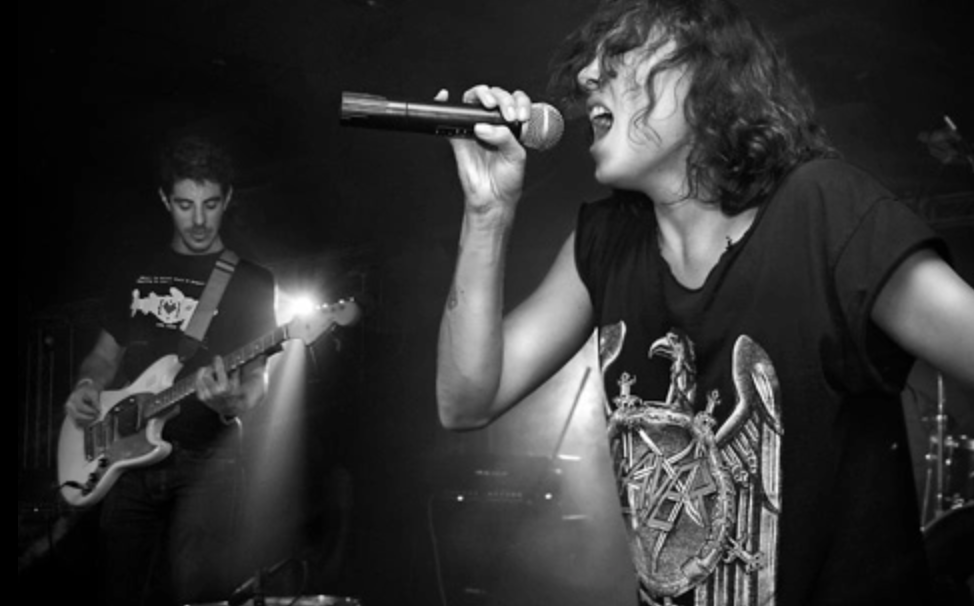
Lark, live performance. Image credit: Photo courtesy of LW Mag
Legacy and Evolution
The 2000s Bellville Afrikaans rock scene left an indelible mark on South Africa’s musical and cultural landscape. In a sense, it completed a circle begun by the Voëlvry rebels of the ’80s – once again making Afrikaans youth culture a site of innovation and resistance – but it did so in a democratic society where those battles took on new meanings. The scene expanded the possibilities of Afrikaans music, proving it could be as edgy, contemporary, and globally relevant as any English output. This opened the door for countless artists to perform in Afrikaans without stigma. By the 2010s, Afrikaans alternative music diversified: some bands from the Bellville collective moved toward indie-folk or electronic pop, and others stuck with hard rock, but all carried forward the torch of creative freedom. The members of Fokofpolisiekar, in particular, went on to drive much of the local industry. Francois van Coke became a successful solo artist and a symbol of Afrikaans rock maturity – sober and introspective, yet still unafraid to speak his mind. Hunter Kennedy continued to pen hits for projects like Die Heuwels Fantasties, which achieved mainstream success and blurred the line between “alternative” and pop. The VanFokKingTasties super-tour (combining Fokof, Van Coke Kartel, aKING, and Heuwels Fantasties) in the early 2010s showed how far they had come: they could fill venues across the country with multi-generational audiences. The scene’s impact also manifested in a newfound confidence among Afrikaans creatives to experiment. Genres as varied as heavy metal (e.g. Afrikaans metal band K.O.B.U.S!), hip-hop, and dance music took cues from the Bellville ethos of frank expression. Moreover, the social conversations sparked by the 2000s rock lyrics – about Afrikaner identity, racism, faith, and belonging – continued in the public realm, arguably paving the way for a more open discourse within the Afrikaner community. Comparisons can be drawn to other local music movements (for instance, the Durban punk/hardcore scene or the Cape Flats hip-hop scene), but what set Bellville’s apart was its ability to merge angst and artistry with Afrikaner heritage, and then to market that fusion successfully. It influenced not just music fans but also fashion (the “alternative Afrikaner” look), attitude, and even entrepreneurship (the DIY ethic of that scene inspired many indie labels and festivals). In retrospect, the Bellville rock scene of the 2000s was a perfect storm of time and place: post-apartheid kids with guitars and grievances, the boredom of suburbia, the pressure release of loud music, and the unifying medium of Afrikaans. It shattered stereotypes – showing that Afrikaans youth are not monolithic “braaivleis, rugby, sunny skies” caricatures, but can be punks, poets, and electronica mavericks too. And by dancing with the devils of consumerism, conservatism, and religion – sometimes getting burnt, but emerging with a stronger sense of self – this group of bands forged a legacy that endures in South Africa’s vibrant alternative music tapestry.
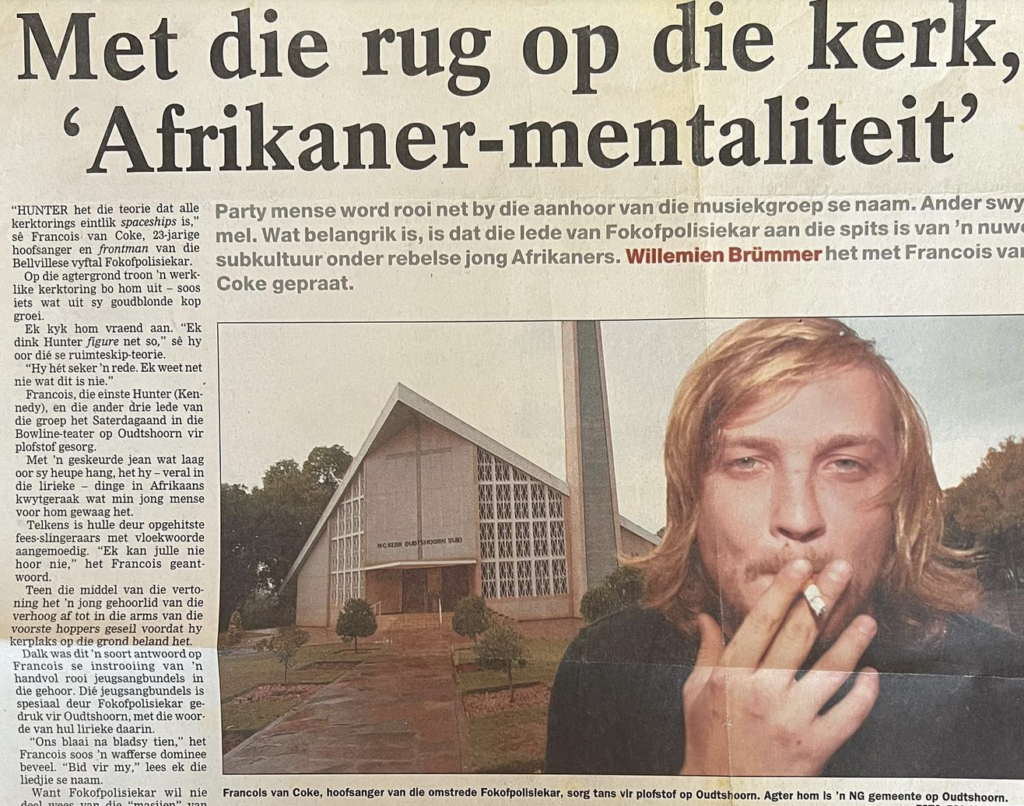
Rapport Newspaper, 2007. South Africa.
In the end, the Afrikaans rock movement that ignited in Bellville wasn’t just about guitars and anger, it was a reckoning. A generation confronted its inheritance with noise and nuance, asking what it means to be Afrikaans in a country still haunted by its past and uncertain about its future. These bands didn’t offer clear answers. Instead, they offered permission: to question, to rage, to laugh, to self-destruct, and to rebuild. They showed us that identity is not static, it’s a stage, a studio, a lyric scrawled in defiance. And while the amps may be quieter now, the echo remains in every Afrikaans artist who dares to be different. In every kid who picks up a guitar not to entertain, but to exorcise. The fire that once roared in Bellville may have dimmed, but its embers continue to burn — stubborn, smouldering, and alive.
Sources:
Bezuidenhout, A. (2007). Voëlvry to Fokofpolisiekar: Rock, rebellion and Afrikaner identity in post-apartheid South Africa. University of Johannesburg.
https://ujcontent.uj.ac.za
Du Preez, M. (2010). Afrikaner Identity and the Music of Fokofpolisiekar. South African Journal of Cultural Studies.
https://journals.co.za
WatKykJy Archive. (2003–2009). Alternative Afrikaans Youth Culture & Bellville Scene Coverage.
https://web.archive.org/web/*/watkykjy.co.za
Van Der Merwe, C. (2013). Bellville Rock City Documentary: The Story of a Music Movement. Rhythm Records.
https://www.youtube.com/watch?v=rcUw0vN7k6A
Visser, W. (2008). Fokofpolisiekar: A challenge to conservative Afrikaner values. Die Burger Archives.
https://www.news24.com