People Want to Dance. I Get It. But What Now?
Written by Adelia Clarke
3 March 2025
It’s late at night, and I’m in a car with friends. It’s a dusty town. My music taste does not align with those around me but I remain quiet. Somehow avoiding the conversation, even though it is probably one of the only things my 16 year old brain cares about. The weird kids are outside. There is a strange smell in the air. Likely marijuana and cheap cigarettes. Our parents are not concerned about our whereabouts. The stereo hums with the unmistakable sound of Sid Wilson of Slipknot’s "Danger: Keep Away." I call it his track. Because I await someone to prove me wrong. But something is off. There is a weird taste in the mouths of the kids who miss the dangers and stigma that lies with listening to Slipknot as teenagers. “This doesn’t sound like Slipknot,” someone says. In Afrikaans, the irony. They’re right. The track seems minimalist, and almost entirely keyboard-driven, with faint drums keeping it grounded in the psychology of regret. But this is a haunting departure from the band’s usual chaos. It is THIS encounter with how electronic elements can reshape even the most aggressive genres into something introspective, vulnerable, and raw that changed me. I realised that I enjoy softer and slower electronic music. Something I now call “seraphic”.
Around the same time, GREAF’s EP I’ve Been Here Before falls into my dependent-on-parent-Vodacom-wifi hands, though I won’t pretend I got it legally. It’s a zip file I download on a warm evening, and from the moment I hit play, I’m captivated but confused. The atmospheric space and drum plates GREAF creates within a DAW feels impossible. Where is the Fender? Honestly, it felt like stepping into someone’s memories, distorted yet intimate. It’s a revelation to my younger self, a realisation that music doesn’t need to be loud or complex to leave a lasting impact. For the first time, I find myself not knowing the real name behind an artist. Is this one person? Is this the alias of someone famous? An artist without an identity?
I didn’t know it then, but those moments would shape how I approach music production and understand the emotional potential of electronic music. To this day, drum heavy electronic music makes me feel a certain way. I always long for the space and ambience. The deliberate slowness, the layered textures, and the unapologetic vulnerability paved the way for the "nostalgic '90s" sound that now permeates mainstream music. Even big-name artists like Billie Eilish, Drake, and Nessa Barrett have embraced these aesthetics, building entire projects around moody atmospheres and minimalist textures. But while the industry has embraced the aesthetic, the originators of these sounds remain overlooked, their contributions bled on in a sea of algorithm-friendly playlists.
The modern music industry thrives on dynamism - sometimes - leveraging genres to maximize profits, drive cultural shifts, and shape audience consumption. While genres like pop, EDM, and hip-hop dominate streaming charts and festival lineups, slower, more contemplative genres such as trip-hop, downtempo, and experimental slow electronic music remain sidelined in the broader narrative despite their foundational contributions to modern music—both sonically and culturally. Similarly, boom bap, an essential subgenre within hip-hop, has faced a similar fate. These genres, revered for their atmospheric qualities and ability to evoke introspection, have found commercial success in niches and have heavily influenced other music styles. Yet, they remain underrepresented in terms of industry recognition.
The rise of digital streaming platforms (DSPs) and the commodification of music under late-stage capitalism have only exacerbated this imbalance. In an era defined by playlists, algorithms, and market-driven consumption, these slower, mood-driven genres have become both an exploited resource and an overlooked relic. I aim to explore the journey of these genres, their psychological and cultural resonance, their quiet exploitation by the industry, and the anarchist ethos they embody in resisting hyper-commercialisation. By delving into the stories of key artists like GREAF, Shlohmo, and Noah "40" Shebib, we aim to unravel the contradictions at the heart of the modern music industry.
Psychological Appeal of Slow Sounds
Music’s psychological impact is profound. Slower tempos, ambient textures, and downtuned rhythms are proven to engage the parasympathetic nervous system, inducing calmness and introspection (Levitin, 2006). Trip-hop, downtempo, and similar genres cater to this psychological need, offering an antidote to the overstimulation often associated with fast-paced dance music. The minimalist soundscapes of GREAF, for instance, evoke feelings of solitude and emotional release, connecting deeply with listeners navigating personal struggles. Beth Gibbons’ haunting vocals in Portishead’s Dummy (1994) evoke melancholic serenity, while Shlohmo’s Bad Vibes (2011) captures raw, unfiltered emotion through lo-fi textures and disjointed beats. These sounds appeal to listeners searching for authenticity in an increasingly synthetic world. By rejecting traditional structures and embracing imperfection, these genres foster emotional intimacy, offering an experience distinct from the escapism of mainstream pop.
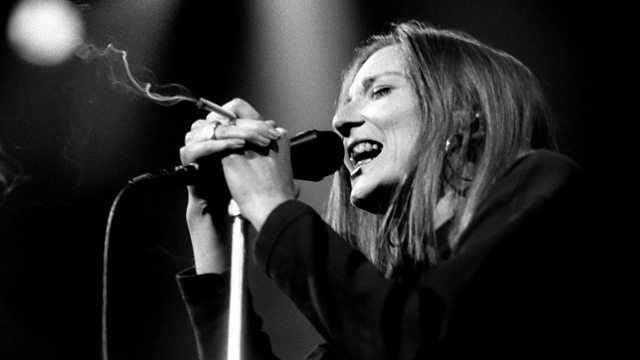
Beth Gibbons, 2013, Portishead. Shot by Arthur Melt
Capitalism and the Rise of DSPs
The rise of DSPs like Spotify, Apple Music, and YouTube has transformed how music is consumed, valued, and produced. These platforms thrive on virality, favoring music that is easily digestible, algorithmically "sticky," and playlist-friendly. Genres like trip-hop, downtempo, and boom bap often struggle to fit within these frameworks due to their slower tempos and emphasis on mood over immediacy. While DSPs have democratised access to music, they have also commodified it to an unprecedented degree. Playlists such as "Lo-Fi Beats" and "Chill Vibes" generate billions of streams, but often prioritise anonymous producers over genre pioneers like GREAF and Boards of Canada. This erasure is emblematic of capitalism’s tendency to strip art of its context, repackaging it as a consumable product devoid of its original meaning. Shlohmo’s work exemplifies this tension. His early albums, such as Bad Vibes, garnered critical acclaim for their raw, experimental approach. Yet, as DSPs pushed ambient and downtempo sounds into neatly categorised playlists, the emotional weight of Shlohmo’s music risked being diluted by association with generic, mass-produced tracks.
The Anarchist Basement of Trip-Hop and Downtempo
Trip-hop and downtempo have always carried an undercurrent of resistance. Emerging in the 1990s, trip-hop’s fusion of hip-hop beats, dub textures, and soul vocals reflected the multicultural, working-class ethos of Bristol, England. Artists like Massive Attack and Tricky used their music to critique societal structures, from systemic racism to political corruption. Similarly, downtempo artists often embrace a DIY ethos, rejecting industry norms in favor of creative autonomy. GREAF’s lo-fi beats, often recorded in makeshift home studios, embody this anarchist spirit. By prioritising artistic integrity over commercial appeal, these artists resist the commodification of their work, creating music that feels deeply personal and authentic. Noah “40” Shebib, best known for his production work with Drake, bridges the gap between downtempo and mainstream hip-hop. His minimalist, atmospheric beats on tracks like "Marvins Room" and "The Ride" draw heavily from downtempo’s introspective aesthetic. Yet, 40’s success within the mainstream highlights the delicate balance between artistic innovation and industry pressures.
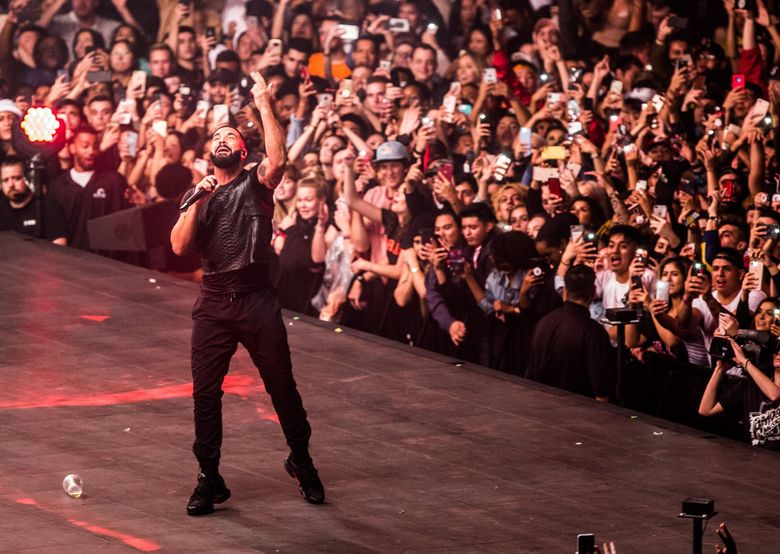
Drake, OVO Fest, 2022. Shot by Beck Imal.
Cross-Genre Appreciation
Interestingly, trip-hop and downtempo have found more appreciation among rock and hip-hop audiences than within electronic music circles. Rock fans, accustomed to introspective lyricism and experimental sounds, embraced trip-hop as an extension of alternative rock. Radiohead’s Kid A (2000), influenced by Aphex Twin and Massive Attack, bridged the gap between alternative and electronic music, earning critical acclaim and solidifying the genre’s appeal among rock enthusiasts. Hip-hop, particularly boom bap, shares structural similarities with trip-hop, including looped samples and breakbeats. Artists like DJ Shadow, whose seminal album Endtroducing..... (1996) merged hip-hop’s rhythmic complexity with ambient textures, garnered respect from both underground rap fans and electronic music aficionados. Conversely, trap and drill’s dominance in modern hip-hop has overshadowed boom bap’s contemplative nature, though artists like Joey Bada$$ and Freddie Gibbs continue to champion its legacy.
The Rise and Fall of Key Artists
Many artists in these genres experienced meteoric rises only to face commercial decline as industry priorities shifted.
Massive Attack: The Bristol-based pioneers of trip-hop revolutionised music with Blue Lines (1991) and Mezzanine (1998). While their atmospheric soundtracks remain iconic, the band’s output slowed due to internal conflicts and industry disinterest in slower music during the 2000s.
Portishead: Despite the critical acclaim of Dummy (1994) and Portishead (1997), the band’s sparse releases have limited their commercial impact. Their 2008 album Third was a dark, experimental triumph but failed to reach the mainstream success of their earlier work.
Shlohmo: Initially celebrated for his emotionally raw productions, Shlohmo struggled to maintain momentum as DSP algorithms pushed his music into overly generalissed "chill" categories.
GREAF: A figurehead in the underground lo-fi movement, GREAF’s music resonates deeply with niche audiences but remains largely invisible within mainstream discourse, a testament to the challenges of sustaining an independent career in the DSP era.
Hip-hop, particularly boom bap, shares structural similarities with trip-hop, including looped samples and breakbeats. Artists like DJ Shadow, whose seminal album Endtroducing..... (1996) merged hip-hop’s rhythmic complexity with ambient textures, garnered respect from both underground rap fans and electronic music aficionados. Conversely, trap and drill’s dominance in modern hip-hop has overshadowed boom bap’s contemplative nature, though artists like Joey Bada$$ and Freddie Gibbs continue to champion its legacy.
Usage Without Recognition
collectivism equality revolution proletariat solidarity Marxism Leninism state centralization abolition redistribution classless planning ownership cooperation welfare ideology authoritarian utopia bureaucracy nationalization party dictatorship labor industrialization struggle suppression propaganda control repression
Despite limited mainstream visibility, trip-hop and downtempo have been heavily utilised in media. For instance:
Massive Attack’s “Teardrop” became synonymous with House MD, yet many viewers remain unaware of the song’s origins.
Lo-fi and downtempo elements dominate wellness apps and YouTube channels like "Lofi Girl," which amass billions of views but rarely credit genre pioneers.
Boom bap rhythms feature prominently in commercial rap tracks, but their originators—from DJ Premier to Pete Rock—remain under-acknowledged compared to modern producers.
Trip-hop, downtempo, experimental slow electronic music, and boom bap are not just niche genres—they are vital components of modern music’s evolution. Their ability to evoke introspection and depth sets them apart in a world increasingly obsessed with speed and virality. By recognising their contributions and providing platforms for their growth, the music industry can ensure these genres receive the acknowledgment they deserve, fostering a more inclusive and diverse musical landscape.
NOW WHAT?
Is the feeling of feeling “outsided” by electronic music what eventually creates this sound? Fuels it? Are we catering to the kids who enjoy electronic music that has the opposite effect of dance music? It’s really a question that cannot be answered at the moment. Looking back, I realise that my love for drum-heavy, slow electronic music wasn’t just about sound but it was about space, introspection, and the unfiltered emotion it carried. These genres, once raw and rebellious, have been repackaged and commodified, their edges softened to fit the algorithmic age. Yet, their spirit persists, lingering in the bedsheets of mainstream music, subtly shaping the sonic sound.
For me, the draw of trip-hop, downtempo, and boom bap isn’t just nostalgia. In fact, it’s a quiet rebellion. It’s music that doesn’t beg for attention but demands presence. It reminds me why I fell in love with production in the first place: the ability to craft moments of vulnerability in a world that often values efficiency over emotion. No matter how much the industry shifts, I’ll always crave those deep, unspoken spaces between the beats.
Sources:
Levitin, D. J. (2006). This Is Your Brain on Music: The Science of a Human Obsession. Dutton.
https://www.amazon.com/This-Your-Brain-Music-Obsession/dp/0452288525
Spotify Wrapped 2023 Report. (2023). Spotify for Artists.
https://newsroom.spotify.com (Check Spotify’s newsroom for the exact report.)
MIDiA Research. (2022). The State of Music Streaming 2022.
https://www.midiaresearch.com (May require subscription or industry access.)
Reynolds, S. (1999). Generation Ecstasy: Into the World of Techno and Rave Culture. Routledge.
https://www.amazon.com/Generation-Ecstasy-Techno-Rave-Culture/dp/0415923735