Ending My Spotify Subscription Made Me Fall in Love With Music Again
The Subtraction of Personal Touch
Written by Adelia Clarke
2 December 2024
It’s 2017. I’m in London on holiday, sitting on my friend’s couch, completely absorbed in the music playing in the background. Every few minutes, I can’t help but ask, “WHERE THE F*** DID YOU FIND THIS?” He grins and replies, “Spotify.” At the time, Spotify wasn’t available in South Africa (it launched here in 2018), so this felt like finding a secret portal to endless music discovery. My friend invited me to join his family plan, and it wasn’t long before I was hooked. Even writing this now, after years of use, Spotify remains familiar, safe, and convenient—but lately, something was off. My playlists feel more repetitive, the discoveries predictable. It’s not that Spotify stopped working; it’s that it started to feel impersonal.
When Music Became Routine
Spotify built its empire on the strength of its algorithm, and for years, I was a fan. The endless recommendations, perfectly curated playlists, and eerily accurate suggestions felt like magic. But as time went on, the spark faded.
It’s hard to pinpoint exactly when, but sometime in recent years, the experience started to feel monotonous. I’d play through the same type of songs, curated by an algorithm that seemed to know me too well. My music habits became passive. I’d hit shuffle, let playlists run, and rarely feel compelled to explore beyond what was handed to me.
At first, I blamed myself. Maybe I was just getting older. Maybe my taste in music had plateaued. But scrolling through social media recently, I realised I wasn’t alone. Others were voicing similar frustrations—complaints about Spotify’s shift toward more recent AI-driven curation, the abomination of their ‘AI-DJ’ called X, and how it seemed to lack the human touch it once had. Some users suggested trying other platforms, as a way to break free from the green algorithm fatigue.
After seven years of using the same streaming service, I figured, why not? If nothing else, a change might do me good.
The Dawn of the Machines and The Big 3
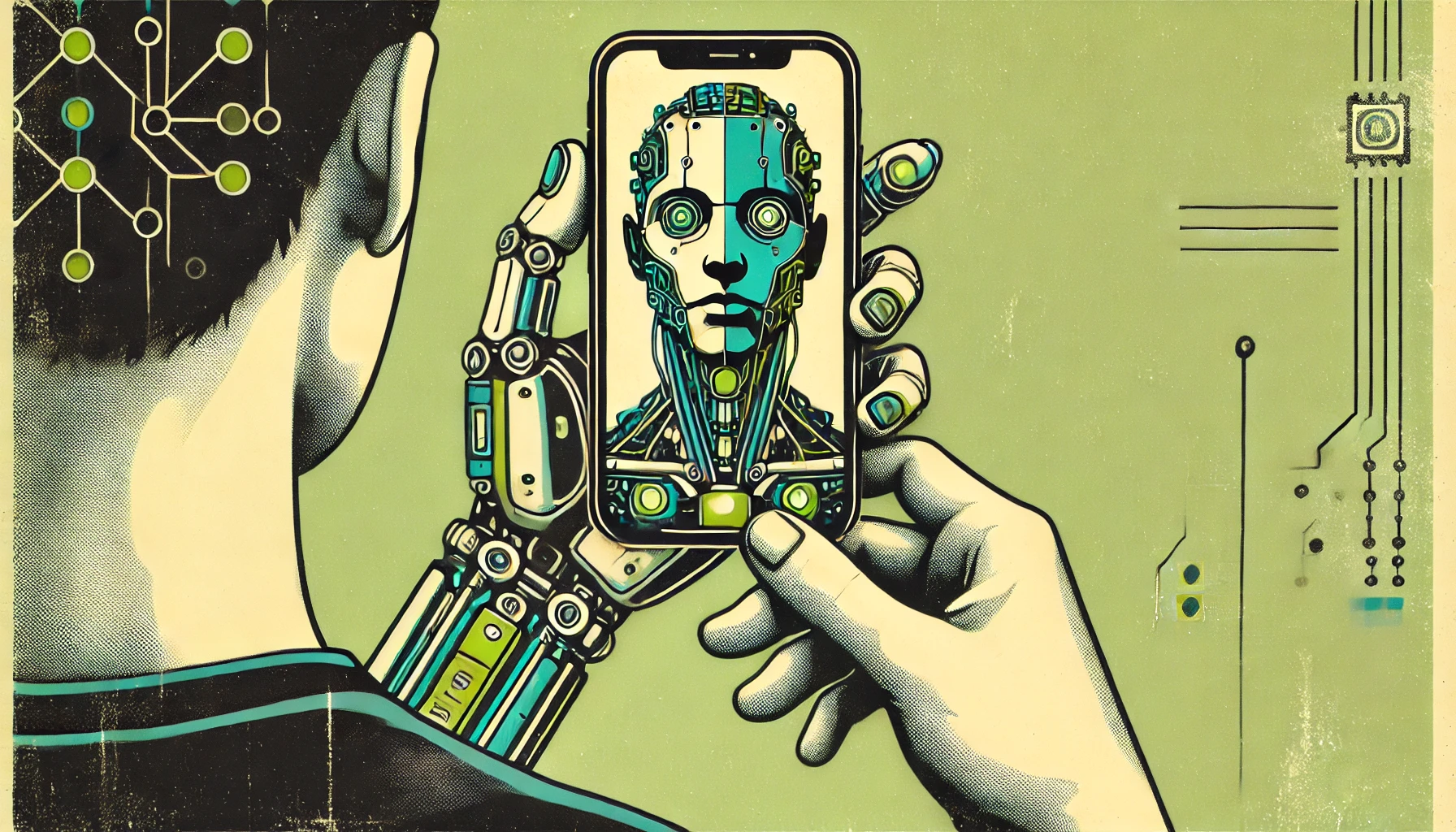
In Do Androids Dream of Electric Sheep, Philip K. Dick warns, “It is the basic condition of life, to be required to violate our own identity.” When we delegate deeply human experiences, like connecting with art, to algorithms, we risk losing a part of ourselves in the process.
Critics of Spotify’s shift toward AI-driven curation have echoed this sentiment. While AI excels at identifying patterns and predicting preferences, it lacks the nuance and emotional resonance that human curators bring. An article in MIT Technology Review notes that over-reliance on algorithms can lead to a homogenised listening experience, where music feels less like an art form and more like a predictable product.
As Wired points out, this isn’t just a music industry issue. It’s a cultural one. Allowing machines to dictate our experiences—whether it’s music, movies, or news—can erode the diversity and serendipity that make these moments meaningful, and makes one question if there is another agenda behind closed doors that most may not be aware of.
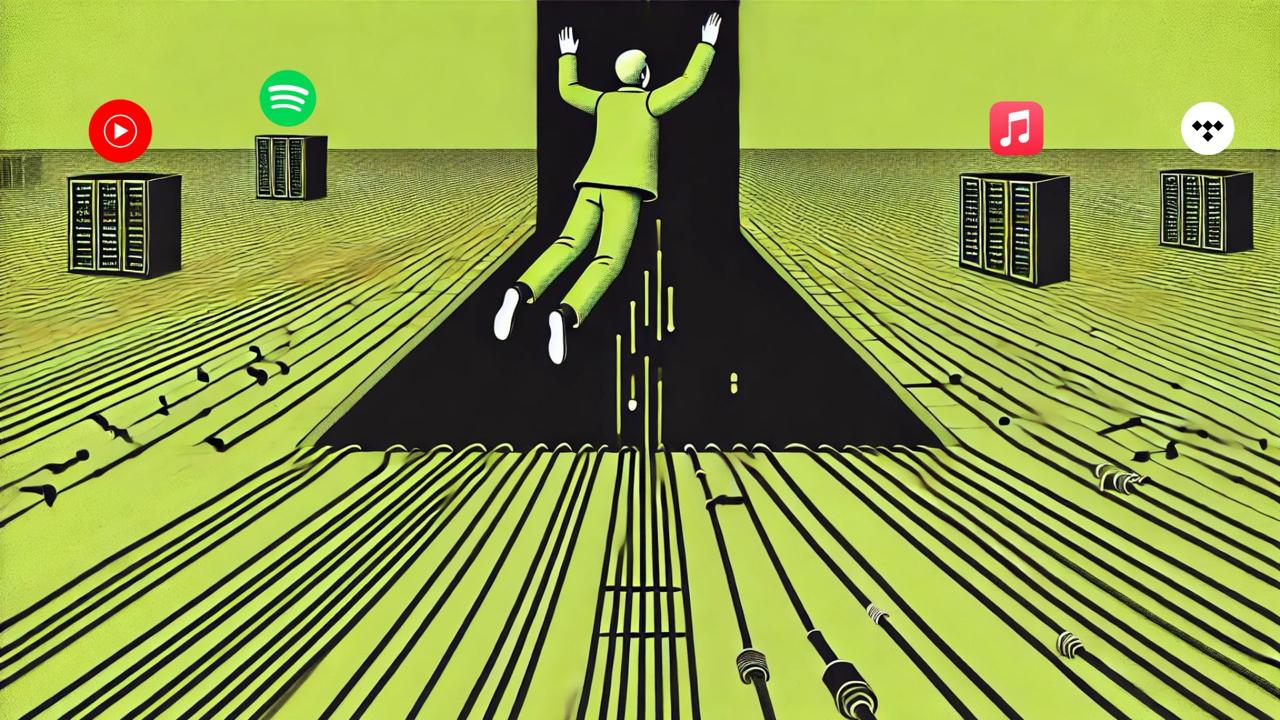
In 2021, the three major music labels (UMG, Sony and Warner Music) collectively generated over $25 Billion in revenue, $12.5 of which was attributed to streaming revenue alone. There’s big money to be made in this industry, and it’s likely a big reason why we are fed the same songs algorithmically, over and over again. A significant portion of Spotify’s revenue is directed towards licensing fees to big labels, which affects the company’s overall profitability. How much control do the labels have over streaming platforms and their ‘algorithms’? Are the Big 3 pulling the strings to push their catalogues onto the platforms in the most gentle violent invasion into the listener's ears and all we have to blame is Spotify and other streaming platforms? Am I going full schizo? Maybe.
A Change in Perspective
I decided to try Apple Music, not because I thought it was “better,” but simply because I wanted something different. The adjustment was strange. The interface felt unfamiliar, the features weren’t the same, and I missed the ease of Spotify’s intuitive user experience.
But as I used it over my first month, I noticed a shift in how I was engaging with music. Instead of auto-playing a curated playlist, I started exploring albums again—listening to them from start to finish. I found myself paying attention to lyrics, rediscovering old favourites, and stumbling upon songs I might’ve skipped before.
Without the constant nudge of an algorithm that pretends to know me, I started choosing music intentionally rather than passively accepting what was served to me.
Letting Go of Numbers
One of the most surprising aspects of switching to Apple Music was the absence of visible streaming numbers and monthly listener stats. On Spotify, I’d often find myself gravitating towards what was “popular.” Seeing an artist’s streaming numbers became a subconscious measure of their worth.
Without that data in front of me, I started listening differently. The lack of stats allowed me to remove any preconceptions about status or popularity and simply focus on the music itself. Suddenly, it wasn’t about whether a song had millions of streams—it was
about the music, and the subjective experience.
This small change had a profound effect. It reminded me that music isn’t a competition. It’s deeply personal, and by stripping away the metrics, I felt closer to the craft than I had in years.It just me and the music in the room.
What I Learned About Listening
Switching platforms wasn’t just about finding new music; it was about rethinking how I approached listening. On Spotify, music had become part of the background—a soundtrack to my daily life. With Apple Music (or maybe just the act of starting fresh), I found myself slowing down and reconnecting with music as an art form.
This wasn’t about features or functionality. It was about rediscovering the joy of sitting with a song, replaying it, and letting it sink in.
The Bigger Picture
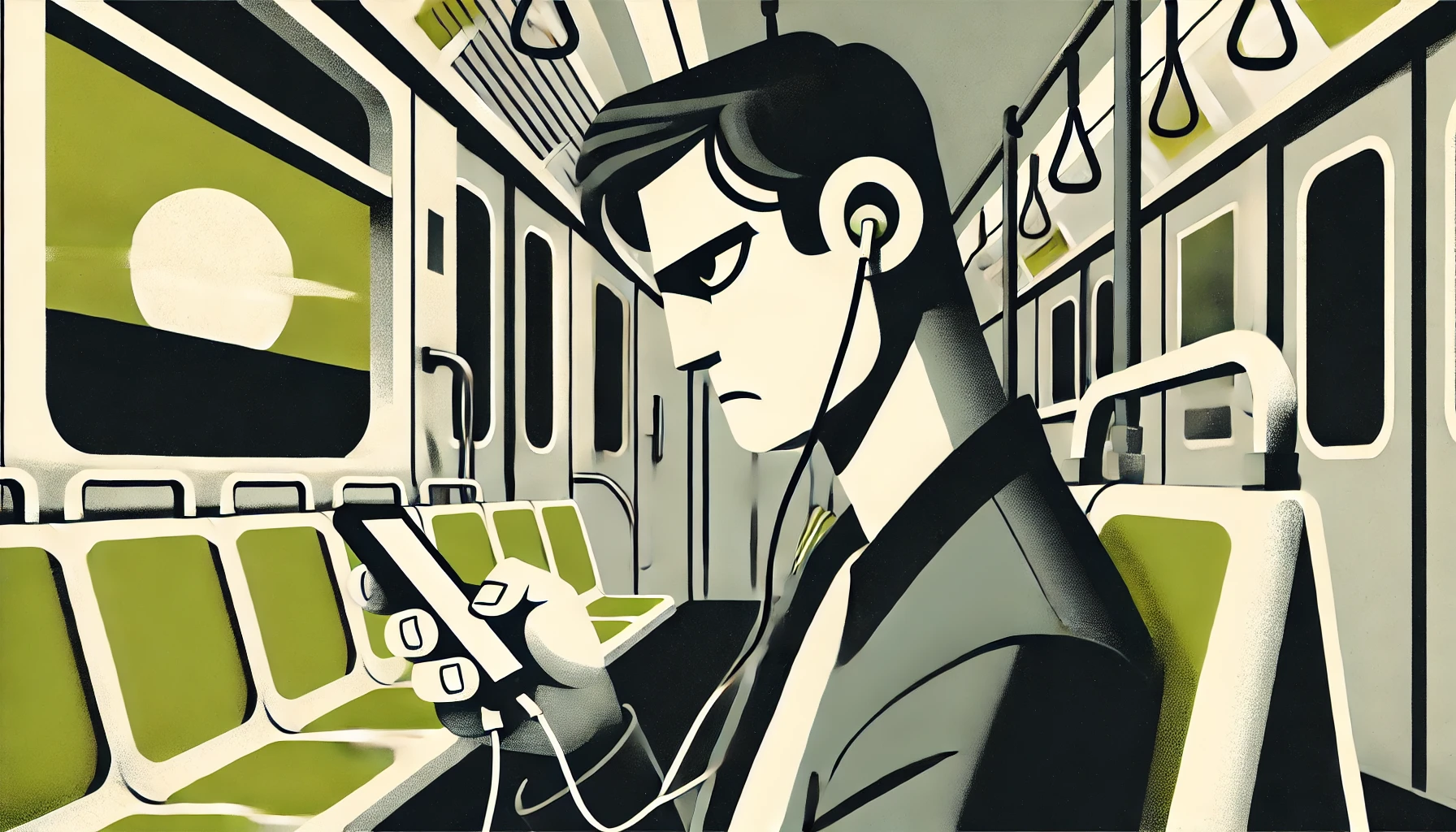
Switching platforms was just one way to break the cycle. It wasn’t about Apple Music being “better” but about disrupting the routine I’d fallen into. A new platform forced me to think differently about how I interacted with music.
If you’ve ever felt like your listening habits have stagnated, maybe it’s worth stepping back and trying something else—whether that’s experimenting with a new service, revisiting old albums, or simply paying closer attention to what you’re listening to.
Here’s the thing though, Spotify isn’t the problem—it’s a tool that transformed the way we listen to music. But for me, it made my music listening experience too convenient. The endless suggestions and auto-play features playing the same songs on repeat, made it almost feel Spotify was pushing a different narrative or agenda. I realised I don’t want music to feel like an algorithm’s solution to my taste. I wanted it to feel personal again. As tiktok user, K8 shares their thoughts on a Derrick Gee video, covering the same topic, ‘Hyperpersonalisation with AI just feels like depersonalisation in the end’. Just because the machine tries to create a perfect world for a listener, it doesn't mean it will reflect something that is true to our lives.
Sources:
“The Latest Online Culture War Is Humans vs. Algorithms”
Wired
https://www.wired.com/story/latest-online-culture-war-is-humans-vs-algorithms/“South Africa Looks Back at Five Years of Spotify Streaming”
Spotify Newsroom
https://newsroom.spotify.com/2023-03-13/south-africa-looks-back-at-five-years-of-spotify-streaming/“Spotify Debuts a New AI DJ Right in Your Pocket”
Spotify Newsroom
https://newsroom.spotify.com/2023-02-22/spotify-debuts-a-new-ai-dj-right-in-your-pocket/“Do Androids Dream of Electric Sheep?” by Philip K. Dick
Goodreads
https://www.goodreads.com/book/show/36402034-do-androids-dream-of-electric-sheepTikTok Profile: Derrick Gee
TikTok
https://www.tiktok.com/@gee_derrick?lang=en